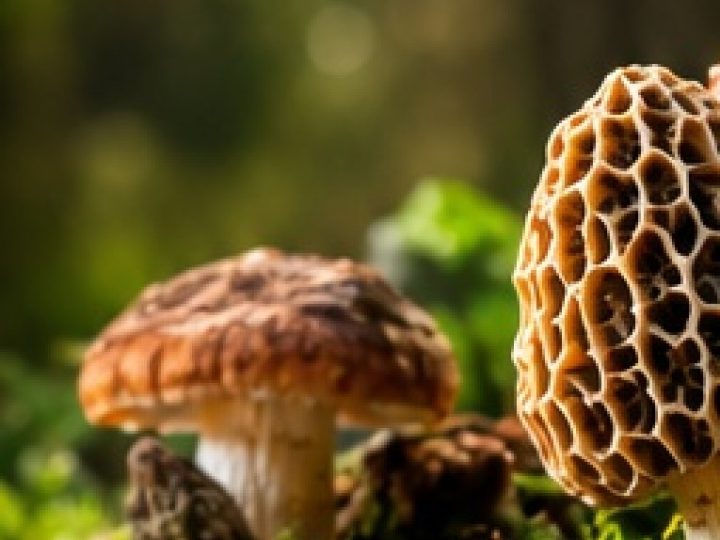


Morels are one of the few wild mushrooms that sell year-round, because they dry beautifully. That also makes them one of the easiest to get wrong at volume: two cartons labelled “dried morels” can differ by half in usable weight once you account for grit, moisture and breakage.
Fresh or dried?
Fresh Morel arrives in spring and suits restaurants that can use it within days. Dried morels rehydrate to near-fresh texture in about twenty minutes and are what most distributors and food manufacturers buy. As a rule of thumb, one kilo of dried replaces roughly eight to ten kilos of fresh.
Origins and how they differ
- China (Yunnan, Sichuan) — the largest volumes and the most consistent sizing; ask for cones sorted by length.
- India and Pakistan — darker, aromatic wild morels with a strong following in European kitchens.
- France and Türkiye — premium European lots, usually smaller volumes at higher prices.
- North America — wild Pacific Northwest and Midwest harvests, mostly sold fresh.
Five questions to ask before you order
- What is the moisture content, and how was it measured?
- Are the cones whole, or is there a breakage allowance?
- Have stems been trimmed, and by how much?
- How was the lot cleaned of sand and grit?
- Which documents come with it — certificate of origin, phytosanitary certificate, lab report?
Minimums and pricing
Our trade minimum is 1 kg fresh or 5 kg dried, and every grade is also available as a retail pack if you want to test a lot first. Guide prices are listed on the Morel product page; firm prices depend on grade and season.